


What Makes a Luxury Kitchen Truly Functional
Luxury Kitchen Design That Works as Beautifully as It Looks
When most people think about a luxury kitchen, they picture beauty first—custom cabinetry, statement lighting, and stunning finishes...But what truly defines a luxury kitchen isn’t just how it looks - it's how it works!
A truly functional kitchen supports daily routines, eliminates frustration, and makes the experience of cooking, gathering, and living feel effortless. It’s thoughtful. Intentional. Designed long before cabinets are ever installed.
At EH Design, functionality is never an afterthought—it’s the foundation. And nowhere is this more evident than in kitchens like the one at Pondsview Cottage, where every cabinet interior was designed with purpose.

Function Comes Before Finishes
Why Layout Is the First Luxury Decision
One of the biggest misconceptions homeowners have is believing luxury comes from finishes alone. In reality, the most important decisions happen before materials are selected—during layout planning.
A functional luxury kitchen begins with:
Clear circulation paths
Proper spacing between work zones
Intentional placement of appliances
Storage designed around daily habits
Visibility across gathering spaces
Before we select a single finish, we ask detailed questions:
Where does breakfast happen?
How many people cook at once?
Do groceries need to be unpacked quickly?
Where does clutter naturally collect?
What tools are used every single day?
And so many more...
Storage That’s Designed, Not Added
The Difference Custom Cabinetry Makes
Walk into most kitchens and open a cabinet—you’ll often find wasted space. Shelves too deep. Corners too hard to reach. Drawers too shallow for real use. In a truly functional luxury kitchen, storage is never generic. It’s built specifically for the way a family lives.
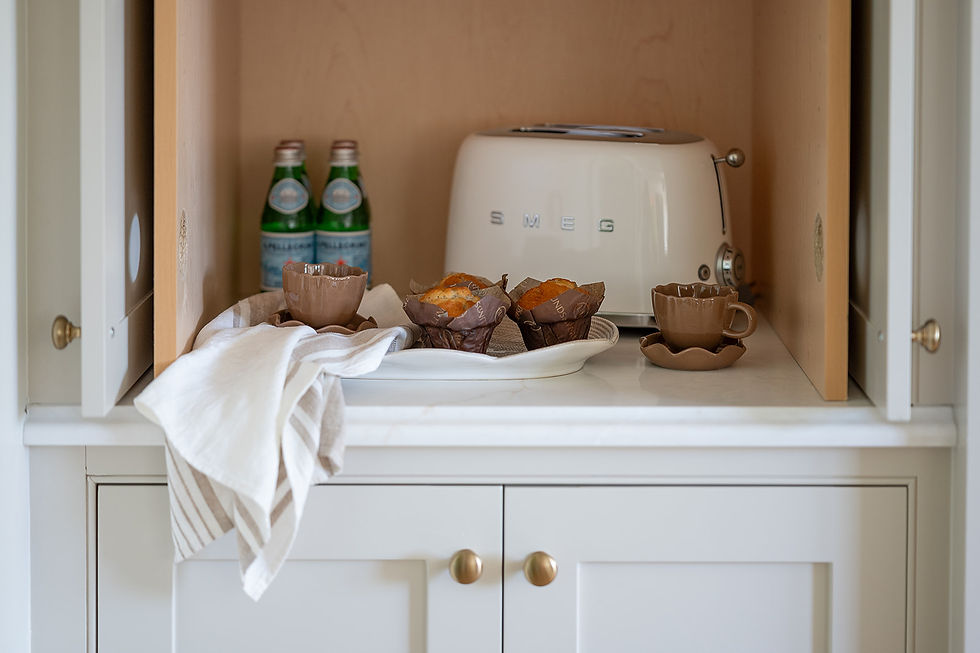
At Pondsview Cottage, nearly every cabinet interior was customized to serve a purpose. Instead of standard shelving, we incorporated storage solutions that made everyday tasks easier and faster.
Examples of purposeful storage include:
Deep drawers for cookware - Making heavy pots and pans accessible without lifting or stacking.
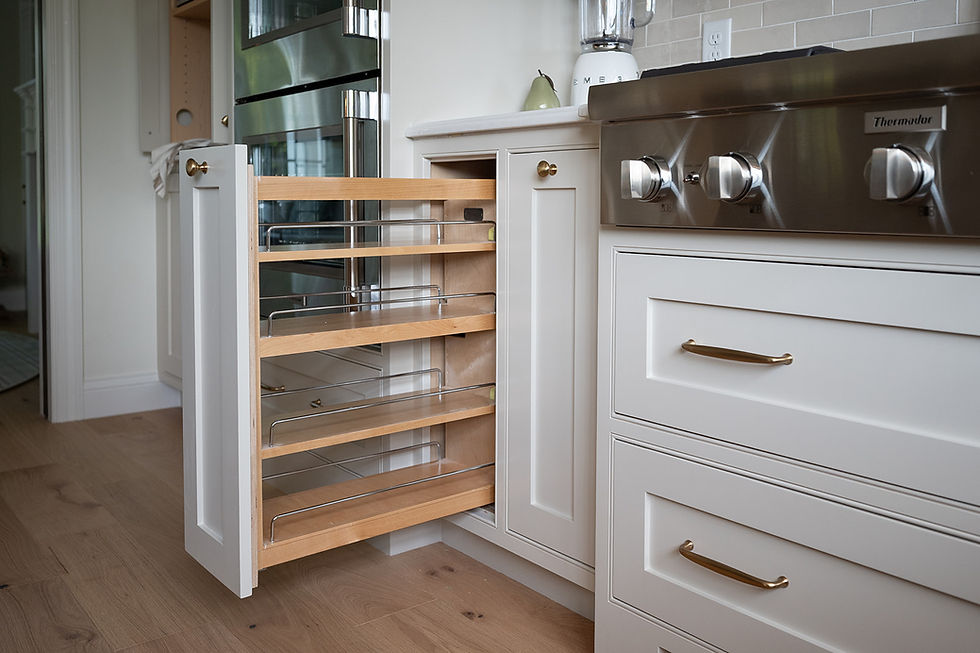
Pull-out tray systems in corner cabinets - Eliminating unreachable dead space.
Dedicated pantry zones - Designed for dry goods, small appliances, and bulk storage.
Vertical storage for trays and cutting boards - Keeping frequently used items visible and accessible.
Hidden organization behind cabinet doors - Creating calm surfaces without sacrificing functionality.
These details often go unnoticed visually—but they’re felt every single day. And that’s what makes them luxurious.
Zones That Support Real Life
How Functional Kitchens Flow Naturally
Luxury kitchens aren’t just about storage—they’re about movement. A well-designed kitchen is organized into zones that support natural activity without crowding or interruption. The most effective luxury kitchen layouts typically include:
Prep Zone - Located near sinks and cutting surfaces, with easy access to knives, tools, and prep storage.
Cooking Zone - Positioned with clear space around cooktops and ovens, allowing multiple users to move safely.
Cleanup Zone - Designed for efficiency, often including trash pull-outs, dish storage, and proximity to the dishwasher.
Pantry Zone - Strategically placed to simplify grocery storage and daily access.
Gathering Zone - Allowing family and guests to participate without interfering with cooking tasks.
In homes like Pondsview Cottage, zoning ensured that the kitchen felt calm—even during busy moments. Because true luxury is when everything feels easy.

Lighting That Supports Function
Why Layered Lighting Matters More Than Fixtures Alone
Lighting is often treated as decorative—but in functional kitchens, it’s foundational.
Layered lighting improves visibility, reduces shadows, and supports daily tasks while creating warmth and atmosphere.
Functional luxury kitchens include:
Task lighting under cabinets
Ambient lighting to soften the space
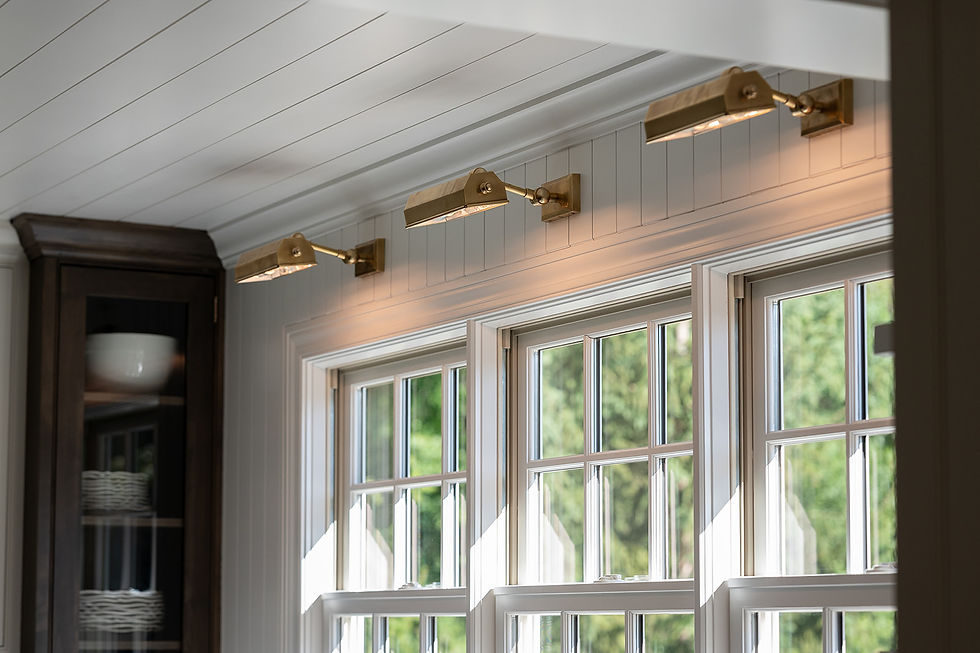
Decorative lighting that enhances character
Interior cabinet lighting to improve visibility
Strategic placement that supports workflow
This layered approach creates what we often call “Amber Hour” lighting—a warm, welcomingglow that feels inviting at any time of day. Beautiful lighting is important. Functional lighting is essential.
Materials That Work Hard
Durability Is a Form of Luxury
In luxury homes, materials aren’t chosen just for appearance. They’re chosen for performance.
Countertops must withstand daily use. Cabinet finishes must age gracefully. Hardware must function smoothly for years. Durable materials support longevity—and longevity is one of the most overlooked aspects of luxury.
At Pondsview Cottage, material selections were chosen to balance beauty with durability:
Finishes that resist wear
Hardware designed for repeated use
Surfaces that clean easily
Materials that age naturally over time
Because a kitchen that performs well five years later is just as important as one that photographs beautifully today.

Details That Make Everyday Life Easier
The Hidden Features That Matter Most
Some of the most impactful kitchen features are the ones you don’t immediately see.
They’re tucked inside cabinets, hidden behind panels, or integrated into millwork.
These subtle elements create ease—and ease creates comfort.
Functional luxury kitchens often include:
Appliance garages
Charging drawers
Trash and recycling pull-outs
Spice storage integrated near cooktops
Hidden outlets
Built-in paper towel storage
Customized drawer inserts
Individually, these details seem small. Together, they transform the kitchen experience.
Designed Early, Not Fixed Later
Why Functional Kitchens Require Early Planning
One of the biggest mistakes homeowners make is waiting too long to design the kitchen.
By the time cabinetry is finalized, opportunities for function are often limited.
At EH Design, kitchen functionality begins during early architectural planning—when changes are still possible and impactful.
This includes:
Cabinet layout development
Appliance coordination
Storage mapping
Lighting placement
Workflow planning
Designing early prevents compromise later. And prevents expensive revisions during construction.

Planning a Kitchen That Works Beautifully
If you're building or remodeling, the best time to think about functionality is before construction begins. Thoughtful planning leads to better flow, better storage, and better daily experiences. And ultimately, a kitchen that feels as beautiful as it looks.
If you're planning a new build or renovation and want a kitchen designed around the way you truly live, early design makes all the difference.
Start the Conversation → Contact Us


Comments